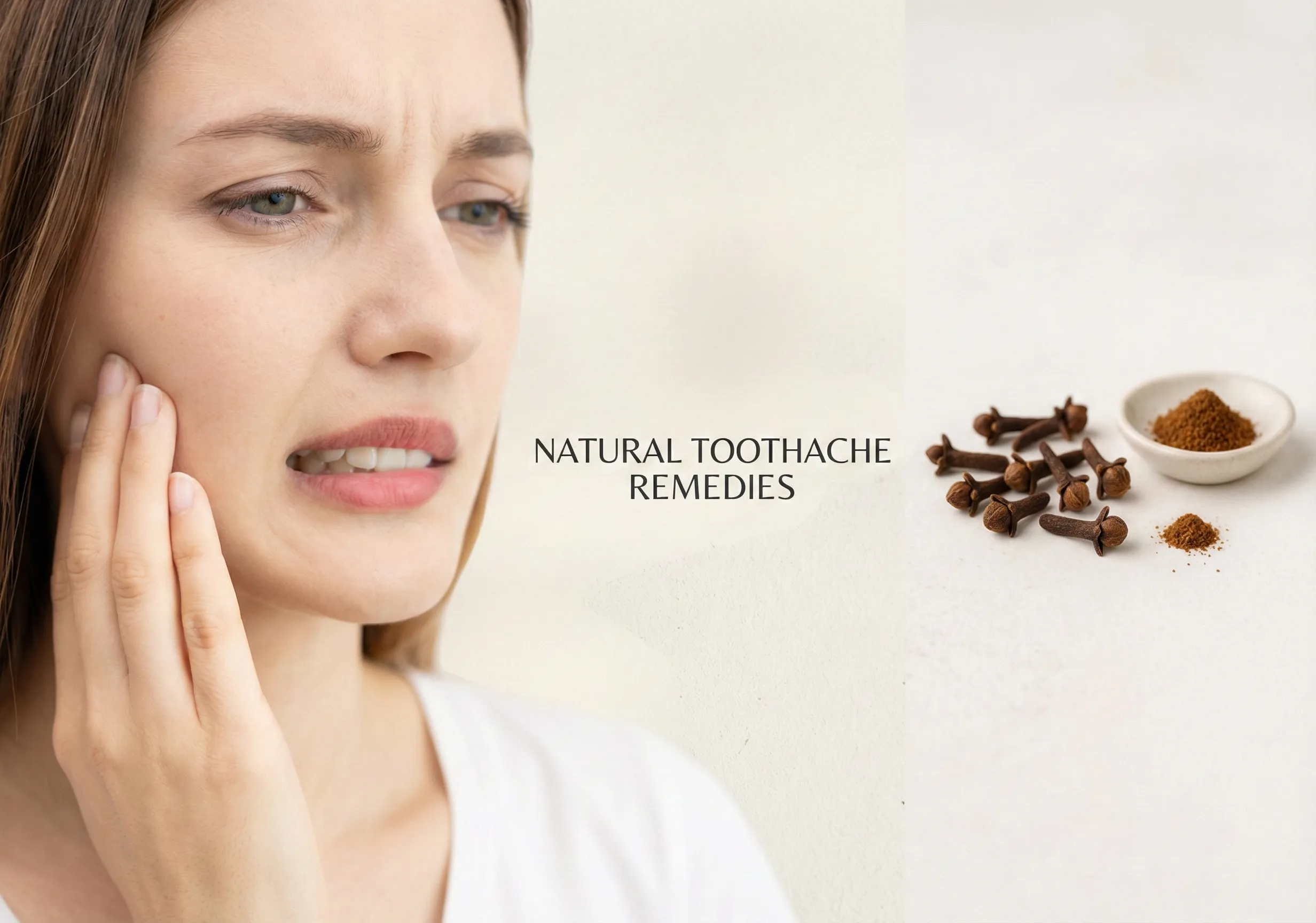
Toothaches can be extremely painful and disruptive. The pain may start suddenly as a sharp or heavy ache and often lingers if not addressed on time.
Tooth pain usually occurs due to irritation of the tooth’s nerve, commonly caused by tooth decay, gum disease, or trauma to the teeth or jaws.
At Still Water Dental Care and Orthodontics, we often see patients who try to manage tooth pain on their own before seeking care.
While visiting a dentist for a proper diagnosis is always the right approach, some natural home remedies may provide temporary relief and help you feel more comfortable until professional care is available.
When tooth pain is left untreated, the underlying cause may go undiagnosed or misdiagnosed.
Infections or hidden dental conditions can worsen over time and may lead to more serious health complications.
Painkillers or home remedies can reduce discomfort, but they do not treat the root cause.
Toothaches require timely monitoring and dental evaluation to prevent further damage.
The following remedies are commonly available at home and have traditionally been used to reduce tooth pain.
These methods are meant only for short-term comfort, not as a replacement for dental treatment.
Cloves are often considered one of the most effective natural remedies for toothache.
They have natural pain-relieving and antibacterial properties and have been used in traditional practices for centuries.
How they may help:
How to use:
You may gently chew a dried clove or apply a cotton piece dipped in clove oil directly to the painful area.
Warm saltwater rinses are a simple and effective alternative to painkillers for mild tooth discomfort.
Benefits include:
How to use:
Mix a few spoons of salt in warm water and gently rinse your mouth, focusing on the area with pain.
Whiskey has traditionally been used as a pain reliever in certain situations.
Swishing a small amount around the affected tooth is believed to provide temporary relief from toothache.
This method is intended only for short-term comfort and should be used with caution.
Activated charcoal, available in powder or paste form, contains carbon and is believed to help relieve pain.
How it may be used:
Apply activated charcoal to a gauze piece and place it over the painful tooth for short-term relief.
Before using any natural remedy, it is advisable to consult your dentist to ensure it is appropriate for your condition.
If pain persists, worsens, or does not improve, do not delay professional dental care.
At Still Water Dental Care and Orthodontics, we focus on identifying the exact cause of tooth pain and providing effective, long-term treatment.
Home remedies may offer comfort, but proper diagnosis and care are essential to protect your oral and overall health.
If you are experiencing persistent toothache or discomfort, book an appointment with Still Water Dental Care and Orthodontics as soon as possible.
Relief starts with the right diagnosis.
Home remedies buy time, not a cure — if pain persists more than a day or two, see an emergency dentist in San Antonio.
Cloves, warm saline rinses, and activated charcoal are among the remedies traditionally used for short-term toothache relief. Cloves have natural pain-relieving and antibacterial properties, warm salt water removes trapped food and soothes swollen gum tissue, and activated charcoal applied on gauze is believed to ease pain. All of these offer temporary comfort, not treatment.
Cloves are often considered one of the most effective natural toothache remedies, with natural pain-relieving and antibacterial properties used in traditional practice for centuries. You may gently chew a dried clove or apply a small piece of cotton dipped in clove oil to the painful area. The relief is temporary and does not address the underlying cause.
Yes, warm saline rinses are a simple alternative to painkillers for mild tooth discomfort. Mix a few spoons of salt into warm water and rinse gently, focusing on the painful area. The rinse removes food particles trapped between teeth, reduces gum swelling, and soothes irritated tissues, which often takes the edge off mild pain.
Only briefly. Painkillers and home remedies reduce discomfort but do not treat the root cause, and an untreated toothache may leave the underlying problem undiagnosed while infections or hidden dental conditions worsen. If pain persists, worsens, or fails to improve, seek professional care rather than continuing home treatment. Checking with your dentist before trying a remedy is also sensible.
Tooth pain usually results from irritation of the tooth's nerve, most often caused by tooth decay, gum disease, or trauma to the teeth or jaws. The pain may begin suddenly as a sharp or heavy ache and tends to linger if the cause is not addressed. Identifying which of these is responsible requires a dental examination.
Tell us a little about what you need — we'll be in touch shortly.
5619 W Loop 1604 N Suite 112, San Antonio, TX 78253, United States

Hi! I'm Tooth fairy! Your AI Assistant Ask me anything