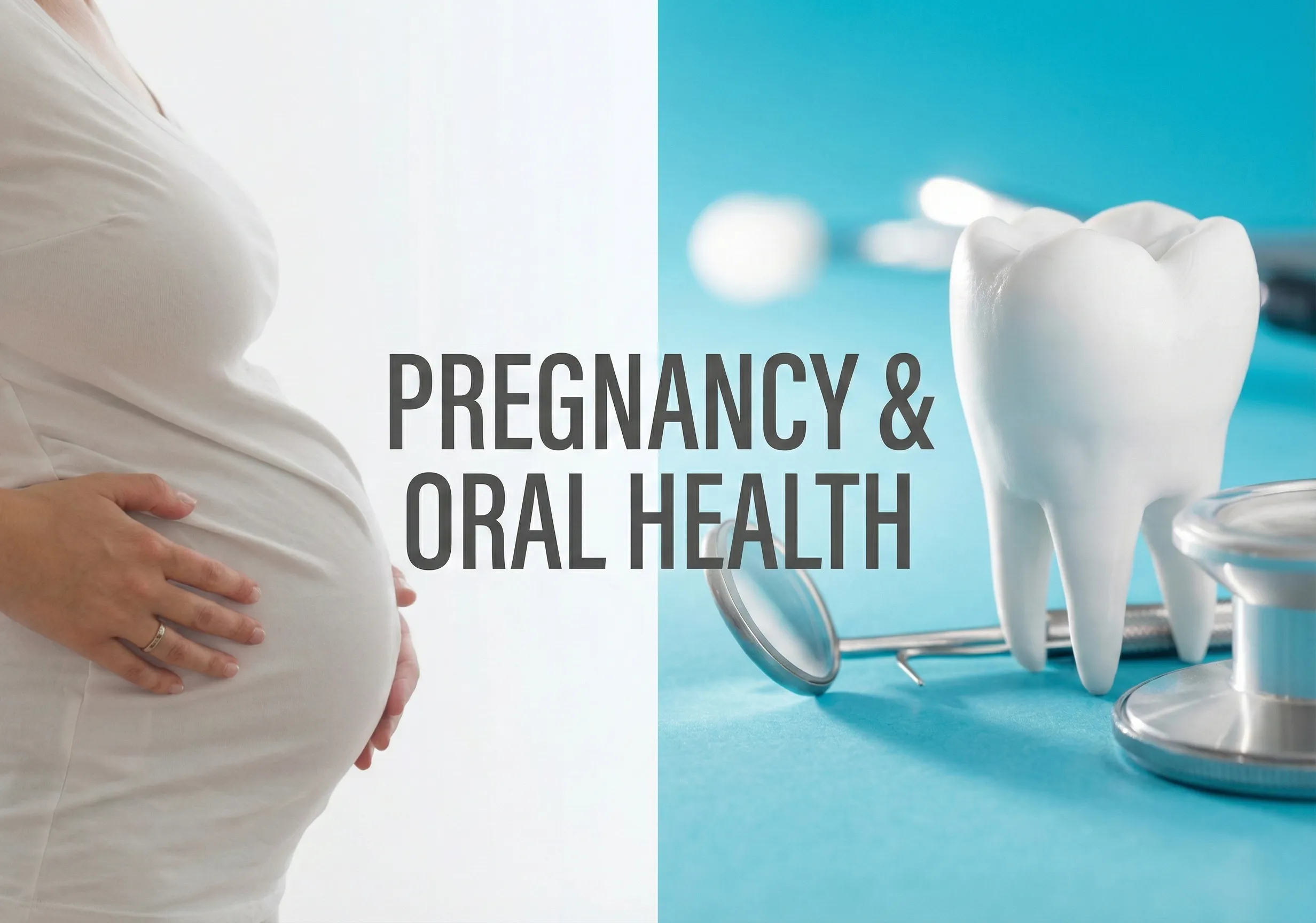
Pregnancy is a phase in a woman’s life marked by significant physical and hormonal changes.
These changes do not only affect the body but also have a noticeable impact on the oral cavity.
Many women may not be fully aware of the close relationship between oral health and overall health during pregnancy, or how oral conditions can influence the well-being of the developing baby.
At Still Water Dental Care and Orthodontics, we aim to help expectant mothers understand why maintaining good oral hygiene during pregnancy is essential.
During pregnancy, self-care routines may sometimes decline due to fatigue, nausea, or lifestyle changes.
As a result, neglecting dental health during this period is common.
One of the most frequently observed conditions is pregnancy gingivitis, which involves inflammation and sensitivity of the gum tissues.
Gum swelling, redness, and bleeding are commonly reported symptoms, and this condition is diagnosed in a large number of pregnant women.
There is also a common concern among expectant mothers that certain dental treatments may pose a risk to the developing baby.
This often leads to delayed dental visits, even when symptoms are present.
Several studies have suggested that oral bacteria, including streptococcus strains, and their by-products may cross the placental barrier.
The placenta plays a critical role in transferring nutrients and supporting fetal development.
The passage of bacterial products into the womb can trigger an inflammatory response in the mother.
In severe cases, this inflammatory response has been associated with complications such as preterm or premature delivery, and in rare situations, serious fetal outcomes.
Because of this connection, maintaining good oral hygiene during pregnancy is strongly advised.
Pregnancy gingivitis is one of the most common reasons pregnant women visit a dental clinic.
Dental professionals play an important role in educating expectant mothers about the importance of oral hygiene and routine dental care during pregnancy.
Early identification and management of gum inflammation can help reduce discomfort and support better overall health during pregnancy.
Simple daily habits can significantly improve oral health during pregnancy:
These basic steps support a healthy oral environment and help reduce gum inflammation.
At Still Water Dental Care and Orthodontics, we provide supportive and patient-focused dental care for expectant mothers.
Our experienced dental team understands the unique oral health needs during pregnancy and focuses on preventive care, education, and gentle management of dental conditions.
If you are pregnant and experiencing gum sensitivity, bleeding, or other oral health concerns, schedule a consultation with Still Water Dental Care and Orthodontics.
Taking care of your oral health is an important part of taking care of your pregnancy.
Expecting? Our gentle family dentistry in San Antonio keeps mom’s smile healthy through every trimester.
Yes, maintaining dental care during pregnancy is important. Many expectant mothers delay visits because of a common concern that treatment could pose a risk to the developing baby, but that delay often means gum problems go untreated while symptoms are present. Discussing your pregnancy with the dental team lets care be planned appropriately for your stage.
Pregnancy gingivitis is inflammation and sensitivity of the gum tissues that commonly develops during pregnancy. Gum swelling, redness, and bleeding are the usual reported symptoms, and the condition is diagnosed in a large number of pregnant women. It is one of the most common reasons expectant mothers visit a dental clinic, and early management helps reduce discomfort.
Studies have suggested that oral bacteria, including streptococcus strains, and their by-products may cross the placental barrier and trigger an inflammatory response in the mother. In severe cases this response has been associated with complications such as preterm or premature delivery. Because of this connection, maintaining good oral hygiene during pregnancy is strongly advised.
Simple daily habits make the biggest difference: brush twice daily, floss every day and especially after meals, and use mouthwash when needed to help manage bad breath and plaque buildup. Fatigue, nausea, and lifestyle changes can make self-care routines slip during pregnancy, so keeping these basics consistent supports a healthy oral environment and reduces gum inflammation.
Tell us a little about what you need — we'll be in touch shortly.
5619 W Loop 1604 N Suite 112, San Antonio, TX 78253, United States

Hi! I'm Tooth fairy! Your AI Assistant Ask me anything