Many people worry about cavities. Deep grooves on back teeth trap food and plaque. Brushing and flossing can miss those spots. That often leads to fillings, pain, and higher bills. Parents want a simple way to protect kids. Adults want the same for themselves.
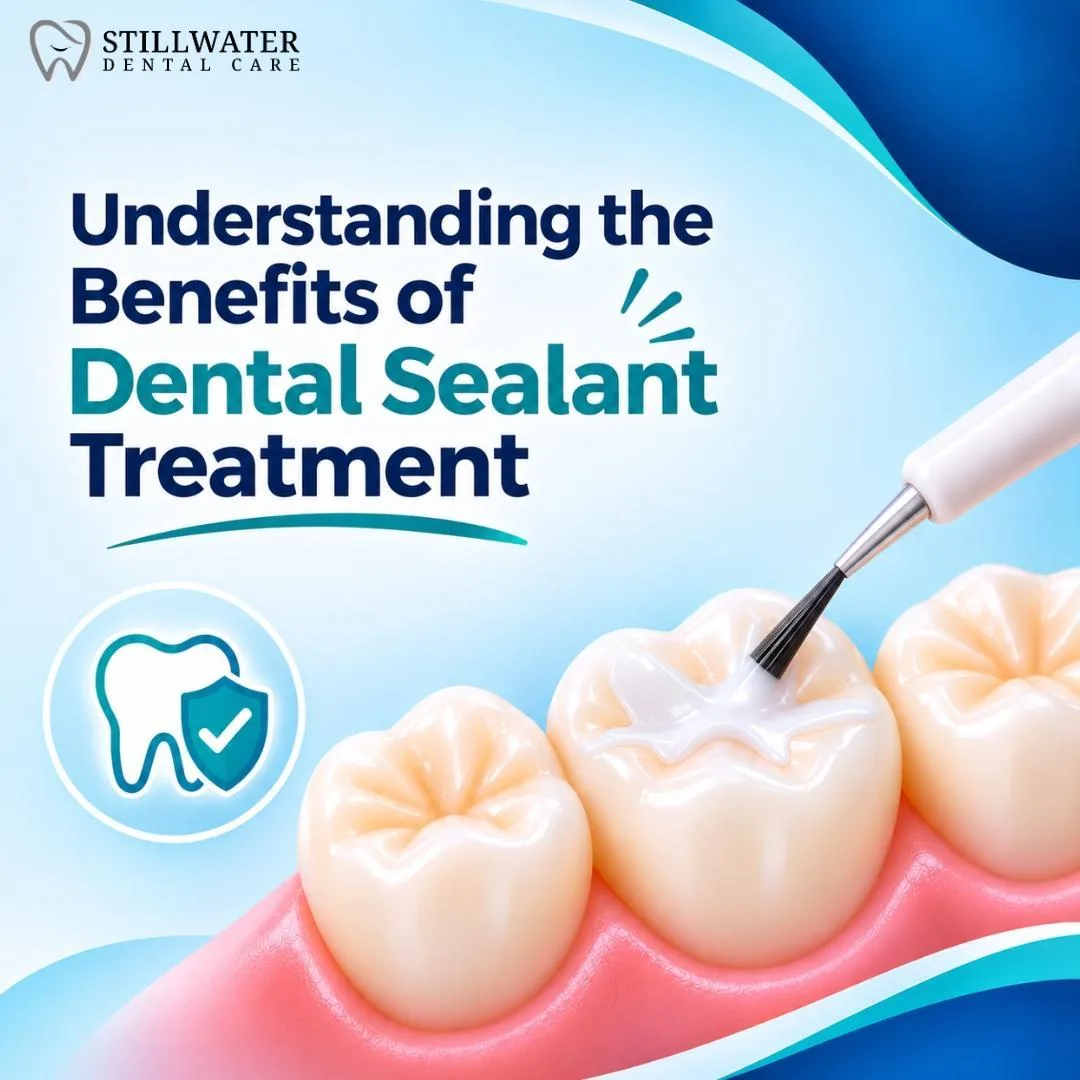
Dental sealants are resin coverings that bond to tooth surfaces and can last several years with proper care. Think of sealants as raincoats for molars, keeping out food, sugar, and harmful bacteria.
Here you will know how sealants work, who benefits from them, and what to expect during and after the procedure.
A dental sealant is a resin-based protective covering that bonds to tooth surfaces. It forms a durable barrier on molars and premolars and can last several years with proper care. The ADA recommends sealants as part of preventive dentistry for cavity prevention and oral health.
The coating seals out food particles, plaque, and bacteria to stop acids and prevent cavities and tooth decay. It has no known side effects, making it a safe option for children's dental care and pediatric dentistry.
Patients get enamel protection and a bacteria shield on chewing surfaces, which reduces the need for restorative dentistry.
Dental sealants act like a raincoat for your teeth. They block out food, bacteria, and everything that tries to cause trouble in your mouth.
Tooth decay creeps in silently. It often starts with the accumulation of plaque and bacteria. Sealants create a strong shield over the molars and premolars. This barrier prevents food particles and harmful sugars from sticking to teeth. As a result, sealants significantly cut down cavity formation.
Cavities pose a real threat, especially for children, who face higher risks for tooth decay. The American Dental Association endorses dental sealants as an effective preventive measure against cavities.
With no known side effects, patients can confidently choose this treatment to protect their teeth. Sealants effectively fend off acids and bacteria that lead to dental issues, yet they remain user-friendly at every visit to the dentist’s office.
Continuing from tooth decay prevention, plaque and bacteria protection plays a crucial role in maintaining oral health. Dental sealants offer a strong defense against harmful substances that can lead to cavities.
These resin-based coatings cover the chewing surfaces of molars and premolars. They act as barriers, stopping food particles and bacteria from settling on teeth.
One firsthand experience illustrates this well. A family noticed their child's persistent trouble with cavities despite regular brushing. After applying sealants, their dental visits for fillings significantly dropped, painting a clear picture of the effectiveness of sealants in cavity prevention.
The American Dental Association recommends these treatments as safe options for combating plaque buildup and protecting enamel from decay-causing bacteria. This effective method helps reduce future dental worries while keeping smiles bright and healthy!
After discussing plaque and bacteria protection, it’s crucial to consider how dental sealants make tooth cleaning easier. Sealants create a smooth surface on molars and premolars.
This smoothness helps toothbrushes glide across teeth, making them easier to clean.
Patients with sealants often notice less residue left behind after brushing. The barriers that sealants provide keep food particles from sticking to teeth. As a result, maintaining good dental hygiene becomes simpler for everyone, especially for children. Strong enamel protection leads to better oral health over time.
Many patients get big benefits from sealants.
| Age Group | Key Benefits |
|---|---|
| Children | - Resin-based coverings bond with tooth surfaces. - They protect molars from food, sugar, and harmful bacteria. - They stop acids and bacteria from building up on teeth. - They are particularly effective at preventing cavities. - The American Dental Association recommends sealants as prevention. |
| Teens | - Sealants cover pits and fissures on molars and premolars. - They limit bacterial presence and food particle accumulation. - They lower cavity formation risk during high-sugar years. - They have no known side effects, so teens tolerate them well. |
| Adults | - Sealants act as a durable protective barrier on chewing surfaces. - They reduce the need for more invasive treatments later. - They can last several years with proper care. - They protect premolars and molars from plaque and decay. |
| Seniors | - Sealants help protect restored or vulnerable teeth. - They block food from deep grooves that harbor bacteria. - They complement daily cleaning and regular checkups. - They offer a low-risk preventive option for older mouths. |
| General Advantages for All Ages | - They prevent cavity formation and tooth decay. - They seal out food particles and plaque. - They make tooth surfaces smoother for cleaning. - They reduce acid attack and bacterial buildup. - They are safe, with no known side effects. - The ADA recognizes and recommends them as preventive care. - Applying them over molars and premolars significantly reduces cavities. - They provide durable protection, cutting future invasive care needs. |
Dental sealant application is quick and easy. Patients typically finish the process within one visit.
In this simple process, dental professionals provide an effective shield against plaque and bacteria while promoting oral health, especially in children’s dental care.
Sealants can last several years with proper care. Patients should practice good oral hygiene to maintain them effectively. Brushing twice daily and flossing regularly play crucial roles in keeping sealants intact.
Sealants serve as a protective barrier, yet food particles and plaque can still accumulate around the edges. This buildup may wear down the effectiveness of sealants over time if not addressed.
Regular dental check-ups help monitor sealant condition. Dentists examine the surfaces to ensure they remain effective against cavities and tooth decay. The American Dental Association recommends this preventive measure for everyone, especially children whose teeth are more prone to decay.
When properly maintained, sealants significantly reduce the need for invasive dental treatments later on, saving time and money while keeping smiles bright and healthy.
Dental sealants are thin coatings applied to the chewing surfaces of teeth, mainly molars. They protect against cavities by sealing grooves and pits where food can get stuck.
Children and teenagers often benefit most from dental sealants. Their newly erupted permanent teeth are still vulnerable to decay. Adults can also consider them if they have deep grooves in their teeth.
Sealants act as a barrier, keeping out plaque and food particles that cause tooth decay. They make it harder for bacteria to settle in those tricky spots on your teeth.
Typically, dental sealants can last several years with proper care. Regular check-ups will help ensure they remain effective; your dentist will monitor their condition during routine visits.
Tell us a little about what you need — we'll be in touch shortly.
5619 W Loop 1604 N Suite 112, San Antonio, TX 78253, United States

Hi! I'm Tooth fairy! Your AI Assistant Ask me anything